

ORCCE

Ideas & advice

A better starting point

Thoughtful choices for the spaces you live in.

Choosing a finish for busy rooms

Decorating

Choosing a finish for busy rooms

Think about how a room is used before choosing its paint finish.

Hallways, kitchens and family rooms see more daily wear than a spare bedroom. Consider a washable finish where marks and splashes are likely, and check the manufacturer's guidance for the surface and room.

Try colour samples on more than one wall and look at them in daylight and in the evening. A colour can feel very different beside your flooring, furniture and existing woodwork.

Preparation matters as much as the colour. Discuss filling, sanding, stain treatment and protection of furniture before work begins. Make clear which ceilings, walls and woodwork are included in your brief.
Finding the right floor for your home

Flooring

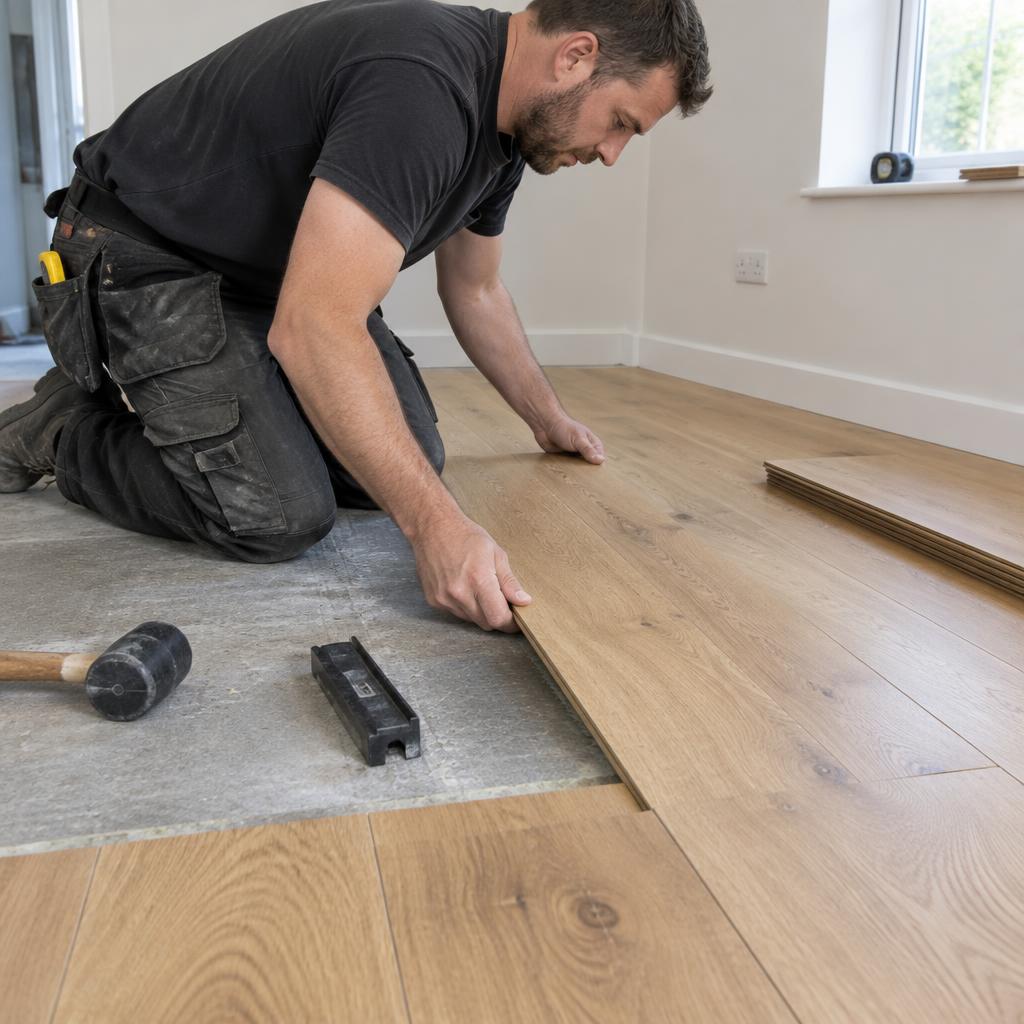
Finding the right floor for your home

Balance appearance, everyday use and the condition of the surface beneath.

Start with how the room is used. Entrances and busy living spaces need a finish that suits foot traffic; bathrooms and kitchens need particular attention to moisture and the product's suitability.

Ask about the existing subfloor before choosing a product. Uneven surfaces, damp conditions and changes in floor height can affect preparation and installation. Door clearances and transitions between rooms should also be considered.

Compare samples with your furniture and wall colours. Discuss maintenance, underlay and compatibility with underfloor heating where relevant, using the flooring manufacturer's instructions as the starting point.

Planning an exterior refresh

Property care

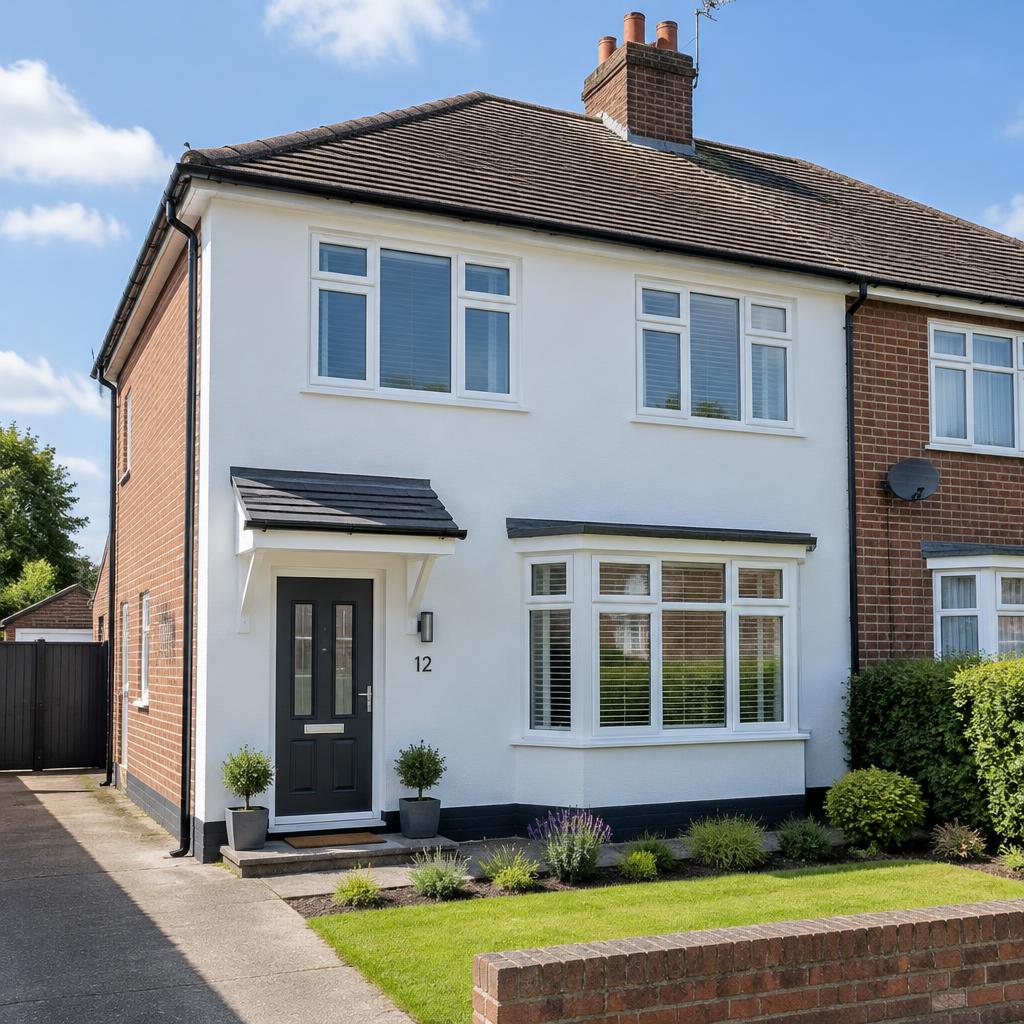
Planning an exterior refresh

Take a closer look at the property's condition before deciding on the finish.

Look for cracked render, peeling paint, damaged woodwork and visible signs of moisture. A fresh coat alone may not address the cause of deterioration, so discuss repairs and surface preparation before painting.

Exterior decorating depends on suitable weather and drying conditions. Talk through access, protection of neighbouring surfaces and a realistic sequence of work rather than assuming every day will be suitable.

Some changes may need permission, particularly for listed buildings or properties in conservation areas. Check with your local council when relevant, and agree which walls, doors, windows and other details are included in the work.

Ready to start your project?

Free site visit and written quote. No obligation.